


Why Webflow Is a Better Choice Than WordPress – Words From Our Devs Team

The Intelligent Punks team
Date: March 04, 2026

In 2026, choosing between Webflow and WordPress is no longer a debate about cost, plugins, or open-source ideology. It’s about which platform actually lets modern brands ship faster, perform better, scale easier, and cost less in the long run. Our development team has built and maintained hundreds of sites on both systems, and the difference is stark. Webflow consistently wins for agencies, startups, creative studios, and service businesses that prioritize design freedom, speed, clean code, and predictable maintenance. WordPress still has its loyal fans, but for most client work today, it feels like fighting the tool instead of building with it.

WordPress was a game-changer in the early 2000s – free, flexible, thousands of themes and plugins, huge community. But that same openness has become its biggest weakness. Plugins break when updated, themes override each other, custom code gets buried in functions.php files, security vulnerabilities appear monthly, and every major update risks crashing the site. Developers spend more time debugging, patching, and migrating than actually creating. Clients end up paying recurring fees for “maintenance” that mostly fixes problems the platform itself creates. Webflow removes all that friction. It’s visual from the start, gives designers full creative control without code compromises, generates clean semantic HTML/CSS/JS, includes global CDN hosting, automatic SSL, built-in backups, and version history. No server management, no database bloat, no surprise downtime. What used to take weeks of fighting now takes days of flow.
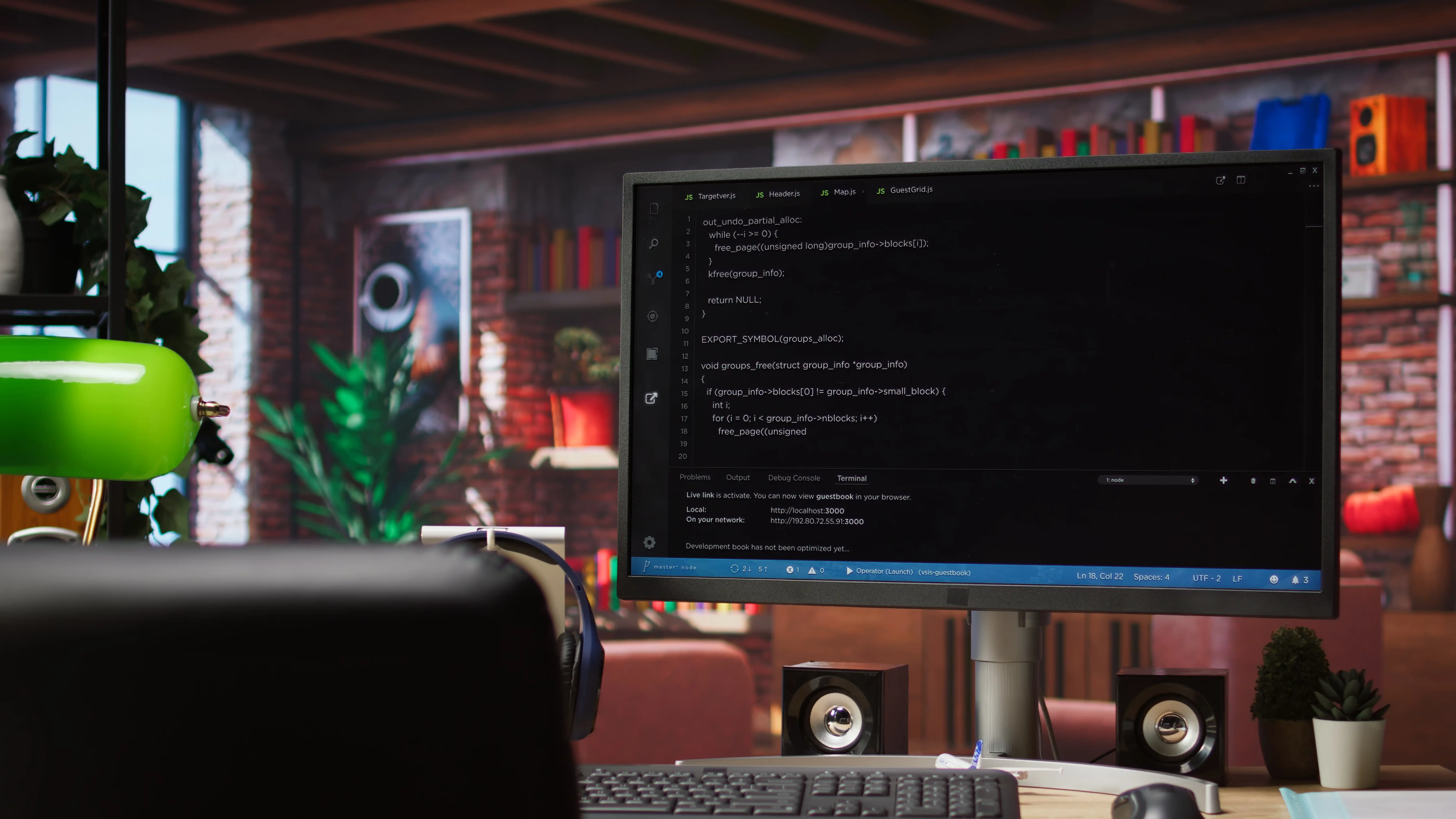
Our devs are blunt about it: “Webflow lets us focus on the client’s vision instead of fighting the CMS. WordPress makes us fight the CMS to get close to the vision.” That shift saves real time and money. Sites load under 2 seconds, Core Web Vitals scores are almost always green, SEO is cleaner because there’s no plugin bloat injecting scripts everywhere, and interactions/animations work natively without custom code that breaks on updates.

Webflow isn’t perfect for every project – massive content-heavy editorial sites with 10,000+ posts or very specific legacy plugin needs still lean toward WordPress. But for 85–90% of what agencies and modern brands actually need – beautiful, fast, conversion-focused sites that scale without constant babysitting – Webflow is the clear winner.

The future isn’t about who has more plugins.
It’s about who can ship cleaner, faster, and more profitably.

Webflow is winning that race right now.

Follow us on social media

More News

05/01/2026

What to Pay Attention to When Building a Website

Building a website in 2026 is no longer just about making something look pretty. It’s about creating a digital asset that loads fast, ranks well, converts visitors into customers, and doesn’t cost...

Read more
14/12/2025

What to Pay Attention to When Building a Landing Page

A landing page is not just a pretty page – it’s your highest-leverage conversion tool. One well-built landing page can turn cold traffic into leads, calls, or sales at a fraction of the cost of a full site...

Read more
03/11/2025

Why PR & Articles Are Crucial for Explosive Business Growth

In 2026, visibility is currency. The brands that dominate aren’t just the ones spending the most on ads – they’re the ones people trust, talk about, and find when they search. PR and articles are the fastest way...

Read more