Polished mirror sphere reflecting fragmented light, symbolising brand reputation shaped by external perception

Brand Reputation Management: Why It's Now Your Most Valuable Business Asset

The Intelligent Punks team

Date: 27/05/2026

Brand reputation management used to live in the PR department. A crisis hit, you called the agency, you moved on. That era is over.

Today, your brand reputation is built — or destroyed — in comment sections, Google reviews, and DMs at 11pm on a Tuesday. It's the single asset that shortens sales cycles, commands premium pricing, and compounds quietly while your competitors are still chasing clicks. And for ambitious businesses, it's no longer optional to manage it well. It's the game.

Exploding cluster of speech bubbles and notification icons representing constant digital conversation around a brand

What is brand reputation and why does it matter?

Brand reputation is the collective perception of your business across every digital and human touchpoint — reviews, social mentions, search results, employee voices, and customer experiences combined. It matters because, according to the World Economic Forum, over 25% of a company's market value is directly tied to its reputation.

That's not a soft metric. That's revenue, valuation, and competitive position rolled into one.

Most businesses still treat reputation reactively — scrambling when a bad review appears, then forgetting about it. That's damage control, not strategy. The shift happening right now is that brand reputation management has moved from the PR department into the C-suite, because the businesses winning their categories are the ones treating it like product: proactively, intentionally, and with a long game in mind.

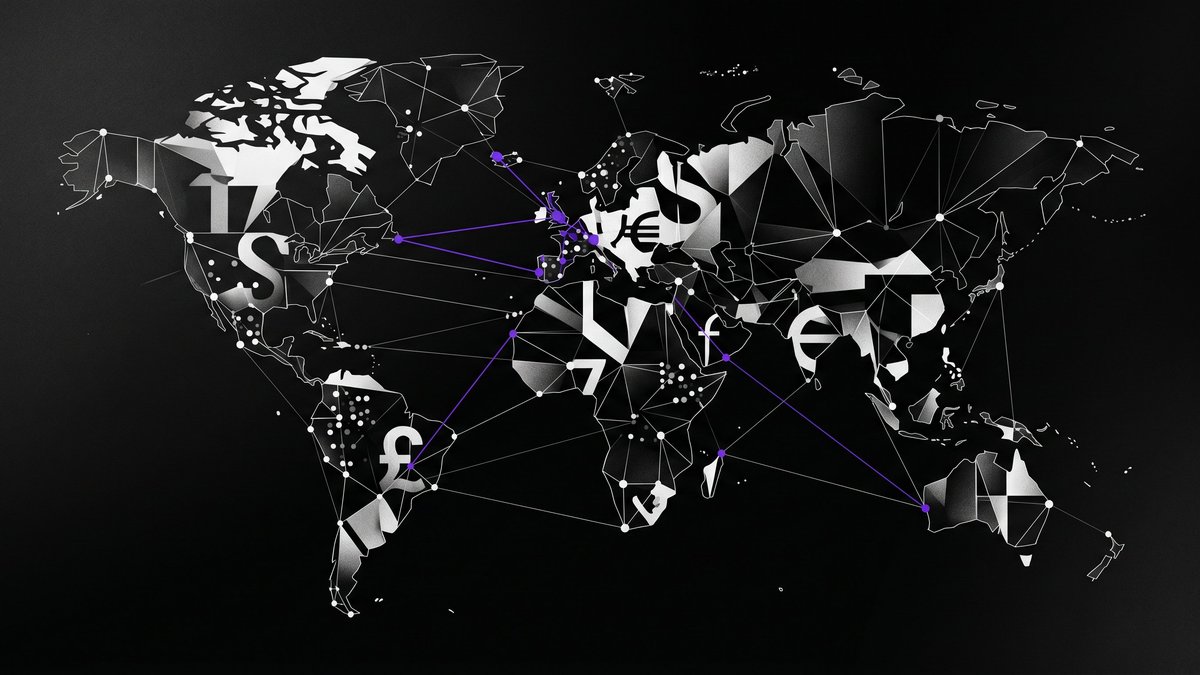
Black and white world map connected by purple data lines and currency symbols, illustrating the global reputation economy

The rise of the reputation economy

We're operating in what industry analysts now call the Reputation Economy — a landscape where trust is the currency and transparency is the price of entry.

Three forces are driving the shift. First, AI-generated reviews and fake social proof have made consumers hyper-sceptical — authenticity is no longer a brand value, it's the only differentiator that matters. Second, search visibility is reputation visibility — Google's systems now weigh brand signals as ranking factors, so your online reputation management directly affects your SEO. Third, social proof has evolved beyond star ratings into user-generated content, founder credibility, employee advocacy, and how your brand behaves when things go wrong.

Businesses that understand this are investing in reputation infrastructure, not just reactive PR. They're building systems that generate trust at scale.

The 3 biggest threats to brand reputation in 2026

You don't need a crisis to have a reputation problem. The slow bleed is just as dangerous. These are the three reputation killers ambitious businesses are ignoring right now.

1. Inconsistency across channels. If your brand sounds one way on your website, another in your emails, and completely different on social — people notice. Inconsistency signals uncertainty, and uncertainty erodes brand trust.

2. Digital silence. Not responding to reviews, mentions, or DMs isn't neutral — it's a signal. In the reputation economy, silence reads as indifference, and indifference reads as decline.

3. Misalignment between brand promise and customer experience. This is the big one. You can have the sharpest brand in the market, but if what you deliver doesn't match what you promised, your reputation will reflect reality — not your marketing.

Three dark geometric shapes — a cube, sphere, and pyramid — each fractured at the base, representing threats to brand reputation

How to build a strong brand reputation: 5 strategies that compound

The brands winning right now aren't chasing virality. They're building compounding reputation systems. Here's exactly what that looks like in practice.

1. Own your narrative proactively. Publish thought leadership. Take positions. Let your brand have a point of view. Brands without opinions are forgettable — and forgettable brands don't get referrals.

2. Make feedback a product input. Treat every review, complaint, and comment as free intelligence. Close the loop publicly — it turns a complaint into a loyalty signal and a story prospects can see.

3. Align internal culture with your external brand. Employees are brand channels now. What they say on LinkedIn, Glassdoor, or in casual conversation carries weight. Culture-brand alignment isn't a nice-to-have — it's a reputation multiplier.

4. Measure it like a business metric. Net Promoter Score, share of voice, review velocity, sentiment tracking — pick your tools and check them regularly. You can't manage what you don't measure.

5. Invest in brand reputation strategy at the top, not just at the surface. Reputation isn't a logo problem or a tone-of-voice problem. It's a leadership problem. The C-suite needs to own it.

Ascending architectural stack of modular concrete blocks with purple accents, representing compounding brand growth

Reputation is the new moat

In a world where products get copied, pricing gets matched, and ads get ignored — brand reputation is one of the few things competitors genuinely can't replicate.

A strong reputation shortens sales cycles, reduces churn, attracts better talent, and commands premium pricing. It's the moat that compounds quietly while you sleep.

The businesses that will own their categories in the next five years aren't just building better products. They're building brands people trust before they've even made a decision.

That starts with treating your reputation not as something that happens to you — but as something you architect, deliberately, every single day.

Sharp angular arrow shooting upward with fragments trailing behind, representing decisive forward momentum

Frequently asked questions

What is brand reputation management? Brand reputation management is the proactive practice of monitoring, shaping, and protecting how your business is perceived across every digital and human touchpoint — from search results and reviews to social mentions and customer experience.

Why is brand reputation important for business growth? Brand reputation directly impacts revenue, valuation, and competitive position. It shortens sales cycles, justifies premium pricing, attracts better talent, and reduces customer churn — making it one of the highest-leverage assets a business can invest in.

How does brand reputation affect SEO? Google's ranking systems use brand signals — including reviews, mentions, branded search volume, and sentiment — as direct ranking factors. A strong online reputation improves search visibility, while a weak one suppresses it.

What is the reputation economy? The reputation economy is the modern business landscape in which trust functions as currency. Transparency, authenticity, and consistent brand behaviour are now the price of entry for any business that wants to grow.


Ready to build a brand that means business?

Talk to Intelligent Punks. We build brands, websites, and reputation systems for ambitious businesses that refuse to blend in.

Follow us on social media

Intelligent Punks on XIntelligent Punks YouTube channel

More News

Why Brand Reputation Is the New SEO

Brand reputation is overtaking traditional SEO as the key driver of trust, conversions, and long-term online growth.

Strong vs Weak Brand Energy

What does your brand actually communicate? Discover what separates strong brand energy from weak, forgettable positioning.

Why PR & Articles Are Crucial for Business Growth

Why PR and articles are the most underrated growth tool: earn trust, build high-DA backlinks, establish authority and generate long-term traffic.